
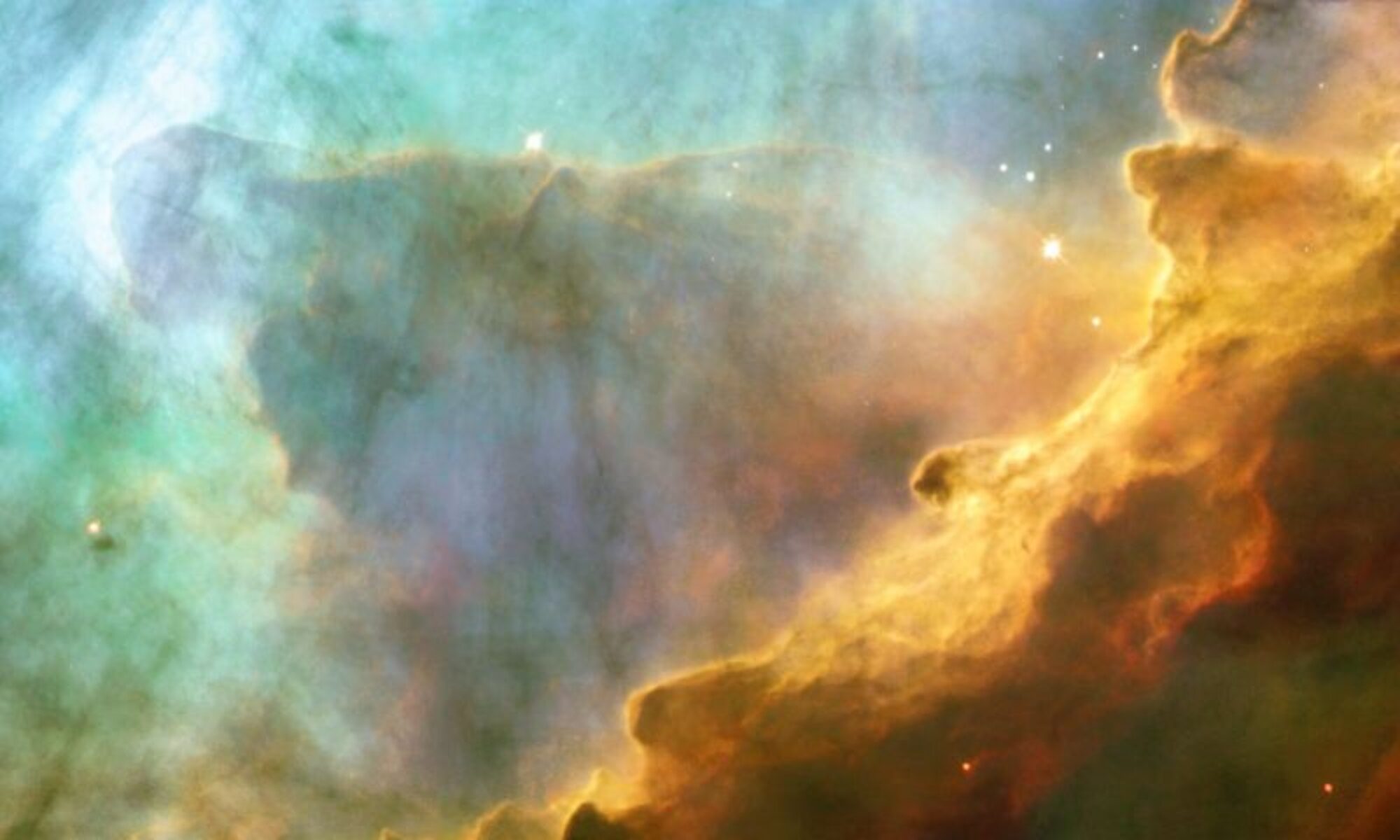
The Cluster of Excellence DYNAVERSE officially launched at a Ceremony on 20 January!
Credit: Adam Polczyk (D8 UoC) & Iraj Vaezzadeh (KPA “Universe”)
We are an internationally recognised team of researchers in
Astrophysics, Computer-Science and Mathematics.
Dynaverse is a newly funded Cluster of Excellence between the Universities of Cologne and Bonn, the Forschungszentrum Jülich, the Max Planck Institute for Radio Astronomy, the German Aerospace Center and the Heidelberg Institute for Theoretical Studies.
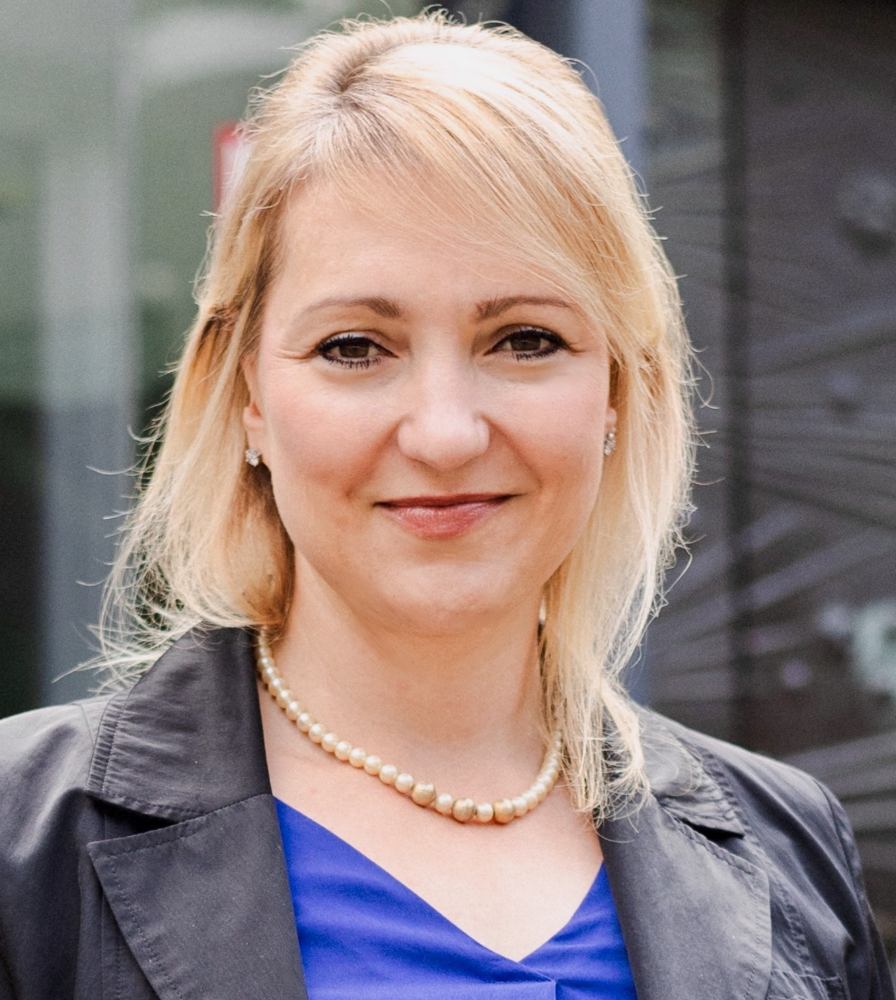
Authorised Spokesperson
Prof. Dr. Stefanie Walch-Gassner
University of Cologne
I. Physics Institute
Zülpicher Straße 77
50937 Cologne

Further Spokesperson
Prof. Dr. Cristiano Porciani
University of Bonn
Argelander-Institute for Astronomy
Auf dem Hügel 71
53121 Bonn
The Bonn-Cologne-Jülich region is a major astronomy hub, attracting researchers from all around the world. This is evidenced by the diverse composition of our team, with 48% international PIs and 50% international cooperation partners. Additionally, we have increased the number of female PIs to 36%, notably through new hires. For the composition of the cluster and recruitment of the new professorships and the new junior groups, excellence is our main criterion.
Our mission is to deepen our understanding of the dynamic evolution of our Universe.
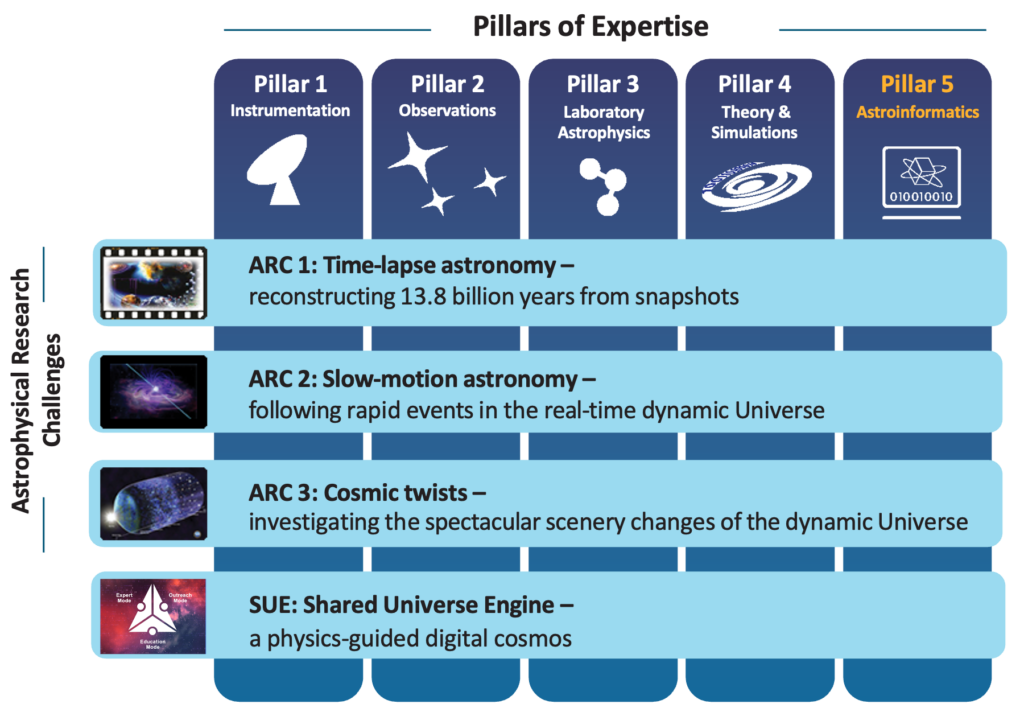
To face this challenge,
we will bridge between Astrophysics, Computer-Science, and Mathematics.
We are involved in the following projects:
We proudly announce the successful funding of DYNAVERSE!
On May 22nd, the funding of 70 clusters of excellence has been announced. DYNAVERSE is one of them!
“We are thrilled that Our Dynamic Universe has been approved” says spokesperson Prof. Dr. Stefanie Walch-Gassner. “On the one hand, it enables us to build sustainable, foundational structures at the universities of Bonn and Cologne and to create a vibrant, interdisciplinary environment. On the other hand, I am especially pleased to connect machine learning and AI with the scientific challenges posed by the enormous volumes of data generated by radio telescopes like the Square Kilometre Array (SKA), and to involve our students in this exciting work already early on.”
Further information can be found here: