
Homing In on the X-Ray Sky

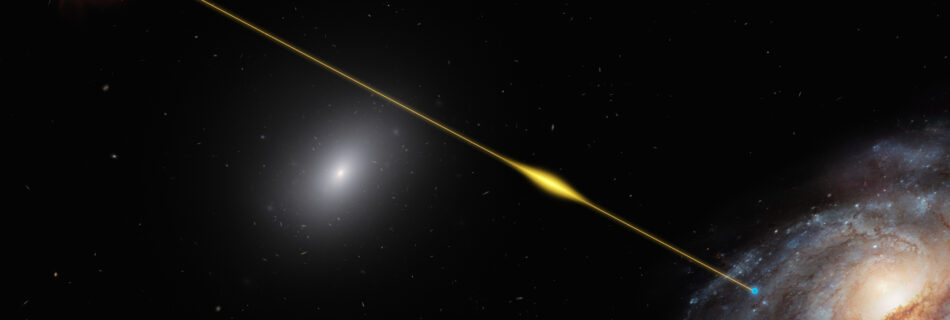
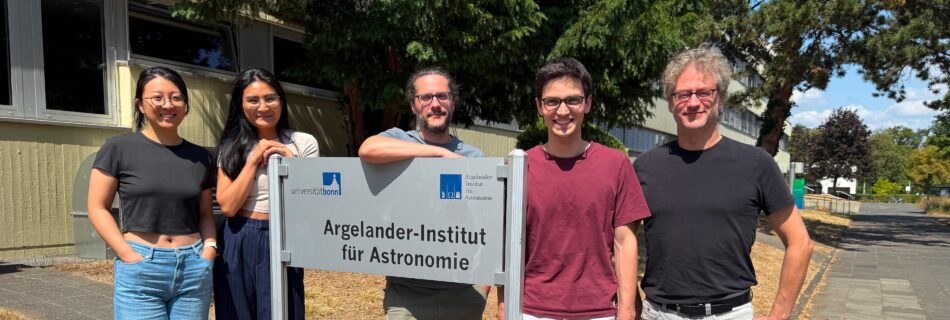
As the second eROSITA data release expands the catalogue of the X-ray sky, a team of Dynaverse researchers at the University of Bonn has analyzed a massive galaxy cluster and its cosmic filaments The German eROSITA consortium (eROSITA-DE), which also includes the University of Bonn and which is being led by the Max Planck Institute …

Loading

Pfalzner – not only one of our PIs, but also an asteroid

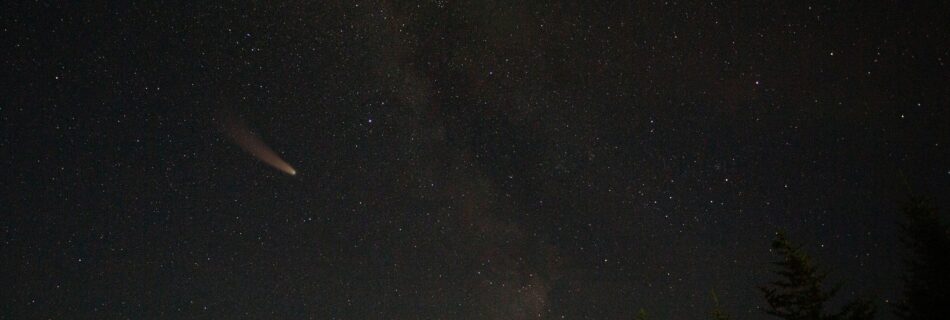
Honoring her contributions to our understanding of the influence of stellar clusters on the dynamics of asteroids, comets, and interstellar objects, the International Astronomical Union (IAU) has named an asteroid after our PI, Prof. Susanne Pfalzner. The asteroid, now named (20596) Pfalzner = 1999 RX188, was discovered in September 1999 by the Lincoln Near-Earth Asteroid …

Loading

What a blast! – Nacht der Technik 2026

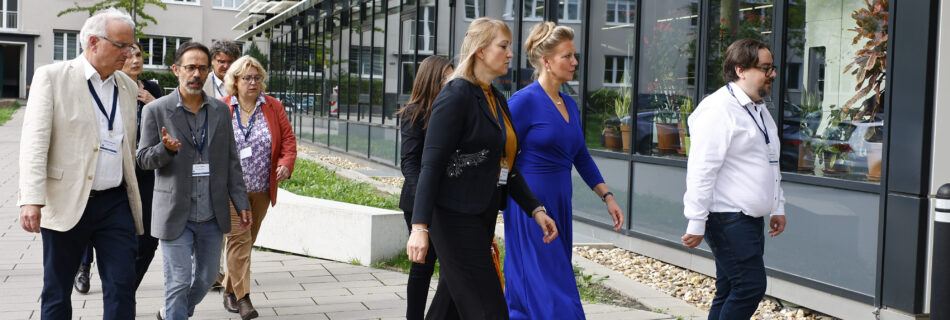
Under the theme “From quantum computers to distant galaxies – Science of the future at the University of Cologne” the two Clusters of Excellence Dynaverse and ML4Q jointly organized this year’s Nacht der Technik at the physics institute. WELCOME Right: Welcome booth in the foyer of the physics institute. Visitors were able to take home …

Loading

Building the Future of Astronomy: The FYST Telescope Project

The University of Cologne and the University of Bonn played a key role in the construction of the new FYST telescope together with international partners. In this video, Prof. Dominik Riechers (Astrophysics, University of Cologne), Chancellor Karsten Gerlof (University of Cologne), and Peter Fasel from CPI Vertex Antennentechnik GmbH discuss the development of the project, …

Loading

WDR 5 Interview: AI Computing Power in NRW

Photo Credit: Scott Rodgerson Listen in to the interview with two Dynaverse Principal Investigators: Professor Stefan Wesner (Director of the ITCC) and astrophysicist Professor Stefanie Walch-Gassner. They discuss the large-scale construction of AI infrastructure and the strategic investments shaping the region. Over the next 12 years, North Rhine-Westphalia (NRW) is set to invest €31 billion …

Loading

Prof. Riechers on CCAT’s first test setup!

How did the universe evolve? What is dark energy? How do galaxies from the recent past differ from those of the distant past? The new FYST telescope in Chile’s Atacama Desert will investigate all these questions. In this video, Prof. Riechers from the University of Cologne, who plays a key role in this collaboration, explains …

Loading

Successful installation of the primary mirror in FYST

Yesterday morning, April 19th, the primary mirror ‘M1’ has successfully been lifted and installed in the Fred Young Submillimeter Telescope. The FYST is part of the CCAT observatory located in the Atacama desert in Chile close to the ALMA array. It is the world’s highest telescope and the University of Cologne and Bonn played a …

Loading

Astroinformatics 2026

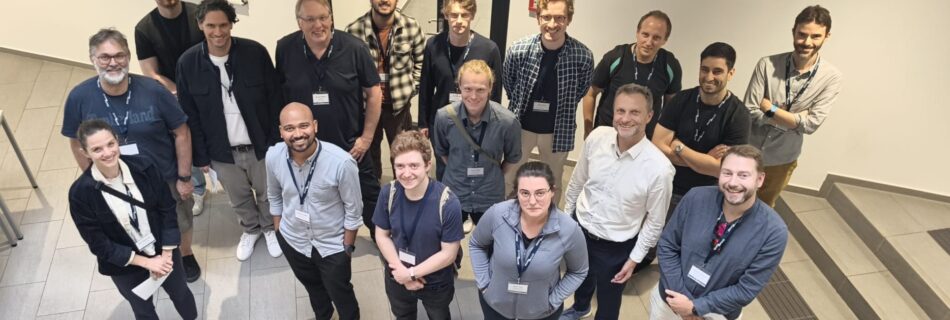
Last week, more than 50 participants gathered at the University of Cologne for the launch of our new conference series, “Astroinformatics”. The event brought together researchers from across the Rhine region and as far as Cape Town for several days of inspiring discussions at the interface of astrophysics, data science, and artificial intelligence. The conference …

Loading